Gut Feelings: How Your Microbiome Quietly Governs Chloroquine's Effectiveness
Two patients. Identical diagnoses. The same chloroquine dosing protocol. And yet — one achieves meaningful disease control within weeks, while the other struggles with subtherapeutic response and persistent symptoms. For years, clinicians attributed such discrepancies almost entirely to pharmacogenomic differences, comorbidities, or patient adherence. A growing body of research, however, points toward an often-overlooked variable: the gut microbiome.
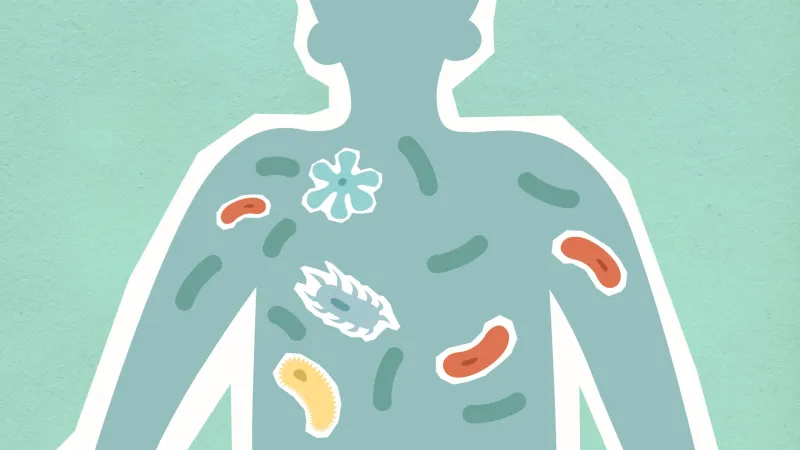
The ecosystem of bacteria, fungi, archaea, and viruses that colonizes the human gastrointestinal tract — numbering in the trillions and collectively referred to as the microbiome — is no longer considered merely a digestive accessory. It is increasingly understood as an active participant in drug pharmacokinetics, immune modulation, and systemic inflammation. For patients on chloroquine therapy, this distinction carries direct clinical consequences.
The Gut as a Pharmacological Gatekeeper
Chloroquine is an oral medication, meaning it must survive the gastrointestinal environment before reaching systemic circulation. Absorption occurs primarily in the small intestine, and the drug's bioavailability — the proportion that ultimately reaches target tissues — is influenced by intestinal pH, mucosal integrity, and transporter protein activity. Each of these factors is, to varying degrees, shaped by the microbial communities living in the gut.
Research published over the past decade has demonstrated that specific bacterial taxa can directly modify drug metabolism. Certain species produce enzymes capable of chemically altering pharmaceutical compounds before they are absorbed, effectively converting an active drug into an inactive metabolite — or vice versa. For chloroquine, which relies on consistent plasma concentrations to maintain its lysosomotropic and immunomodulatory effects, even modest alterations at the absorption stage can translate into meaningful differences in therapeutic outcome.
Dr. Anita Mehrotra, a clinical pharmacist specializing in rheumatologic drug therapy at a major academic medical center in the Midwest, notes that this is a conversation that is only beginning to happen at the prescribing level. "We've spent a great deal of time refining dosing based on weight and renal function," she explains. "What we haven't done systematically is ask what's happening in the gut before the drug even gets into the bloodstream."
Microbiome Diversity and Immune Calibration
Beyond its role in absorption, the microbiome exerts a profound influence on the very immune pathways that chloroquine is designed to regulate. In autoimmune conditions such as systemic lupus erythematosus (SLE) and rheumatoid arthritis — two of the primary indications for chloroquine and its close relative hydroxychloroquine in the United States — dysbiosis, or pathological imbalance in microbial composition, is now recognized as both a contributing factor to disease activity and a modifier of treatment response.
Studies examining stool samples from lupus patients have consistently identified reduced microbial diversity compared to healthy controls, along with enrichment of pro-inflammatory bacterial species such as Ruminococcus gnavus. This dysbiotic state sustains a low-grade inflammatory environment that may blunt the anti-inflammatory effects of chloroquine, requiring higher effective concentrations to achieve the same clinical result.
Gastroenterologist Dr. Marcus Ellington, who consults on complex autoimmune cases at a hospital network in the Southeast, describes it as a feedback loop that clinicians rarely address head-on. "The disease itself disrupts the microbiome, and that disrupted microbiome then makes the treatment less effective," he says. "If we're not attending to gut health as part of the treatment plan, we're leaving a meaningful lever unpulled."
The Malaria Context: Microbiome and Parasite Susceptibility
The microbiome's relevance to chloroquine therapy extends beyond autoimmune disease. In the context of malaria — whether for prophylaxis in US travelers or treatment in clinical settings — gut microbial composition appears to influence both susceptibility to Plasmodium infection and the parasite-clearing efficacy of antimalarial drugs.
Preclinical models have shown that germ-free mice — animals raised without any gut microbiota — respond differently to both malaria infection and antimalarial treatment than their microbiome-intact counterparts. Translational research in human populations in sub-Saharan Africa, while not yet fully replicated in US cohorts, suggests that individuals with higher microbial diversity demonstrate more robust immune responses to Plasmodium falciparum and, in some analyses, more favorable pharmacodynamic profiles when treated with chloroquine-class drugs.
For American travelers or military personnel receiving chloroquine prophylaxis, these findings raise practical questions. Jet lag, dietary disruption, and the use of antibiotics during international travel — all common occurrences — can substantially alter microbial composition in the short term, potentially affecting the drug's protective efficacy at precisely the moment it is most needed.
What Testing Can Reveal — and Its Limitations
Given this evidence base, it is reasonable to ask whether routine microbiome testing should be incorporated into the management of patients on chloroquine therapy. Currently, commercial stool microbiome analysis is available through several US-based laboratories and direct-to-consumer platforms, though the clinical utility of these tests varies considerably.
Dr. Mehrotra urges caution about over-interpreting consumer-grade microbiome reports in a clinical context. "The science is genuinely exciting, but the translation to actionable prescribing decisions is still catching up," she says. "What we can reasonably do right now is assess for signs of dysbiosis clinically — diet history, antibiotic exposure, gastrointestinal symptoms — and address modifiable factors."
For patients with treatment-refractory autoimmune disease on chloroquine, a gastroenterology referral to evaluate for underlying intestinal pathology may be warranted, particularly when response to therapy has been unexpectedly poor despite adequate adherence and appropriate dosing.
Evidence-Based Strategies for Microbiome Optimization
While the research is still maturing, several microbiome-supportive interventions carry sufficient evidence to merit consideration alongside chloroquine therapy.
Dietary fiber and diversity remain the most robustly supported tools for promoting a healthy gut ecosystem. A diet rich in varied plant foods — vegetables, legumes, whole grains, and fermented products such as yogurt and kefir — consistently correlates with greater microbial diversity in US population studies. Patients on chloroquine for autoimmune indications, many of whom may already be managing fatigue and reduced appetite, benefit from targeted dietary counseling as part of their care plan.
Judicious antibiotic use is equally important. Because antibiotics can cause rapid and sometimes prolonged shifts in microbial composition, their use in chloroquine-treated patients should be carefully weighed and, where possible, limited to clinically necessary courses. When antibiotic therapy is unavoidable, probiotic co-administration — though still an area of active investigation — may help attenuate disruption, particularly with Lactobacillus and Bifidobacterium species.
Proton pump inhibitor (PPI) use deserves specific mention in this context. PPIs, which alter gastric pH, are among the most widely prescribed medications in the United States and are frequently co-administered with anti-inflammatory regimens. Elevated gastric pH can alter chloroquine's ionization and absorption dynamics while simultaneously favoring microbial species that thrive in less acidic environments. Clinicians should periodically reassess whether PPI therapy remains necessary in patients whose chloroquine response appears suboptimal.
A New Variable in an Old Equation
The relationship between the gut microbiome and chloroquine therapy is not yet fully characterized, and it would be premature to suggest that microbiome optimization alone can resolve treatment failures. What the evidence does support, however, is that the gut is a clinically meaningful variable that deserves a seat at the table when clinicians are troubleshooting inconsistent outcomes.
As research in this area accelerates — driven in part by advances in metagenomic sequencing and the broader recognition of the gut-immune axis — the practical implications for chloroquine prescribing are likely to become clearer. For now, integrating basic microbiome literacy into patient counseling, maintaining a low threshold for gastrointestinal assessment in non-responders, and supporting dietary habits that sustain microbial health represent reasonable, evidence-informed steps that any clinician can take today.
The drug is only as effective as the environment it enters. And increasingly, that environment begins in the gut.